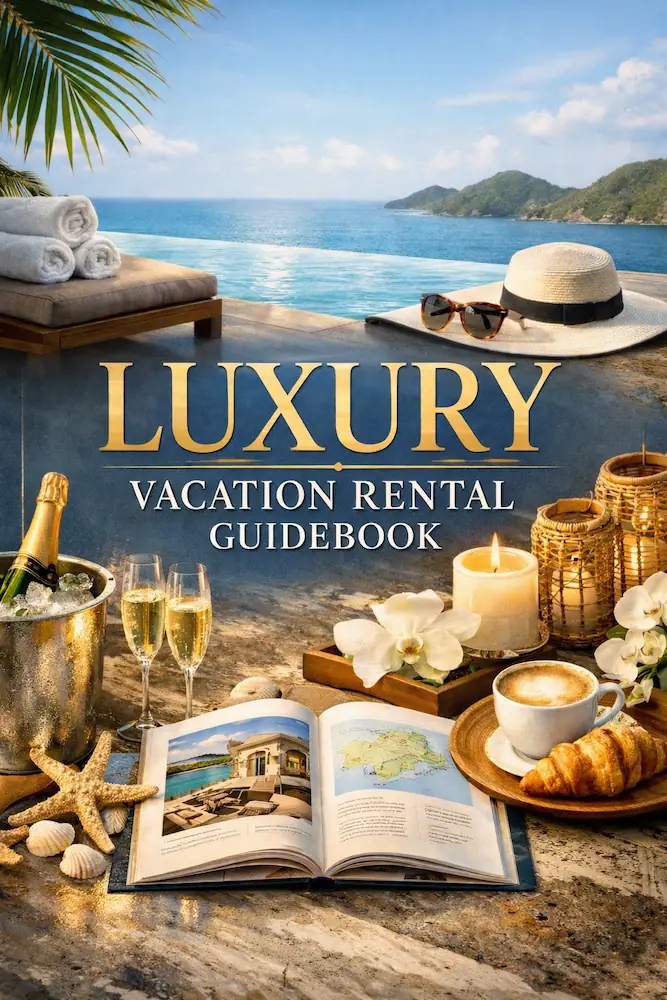
A luxury vacation rental guidebook is a professionally structured document designed to deliver a seamless, high-end guest experience. It provides detailed property information, curated local recommendations, premium services, and operational guidance tailored to upscale travelers.
Unlike basic instruction manuals, a luxury vacation rental guidebook focuses on experience, personalization, and efficiency, aligning with standards seen on platforms like Airbnb, Vrbo, and Booking.com.
Definition and Core Purpose
A luxury vacation rental guidebook serves three primary functions:
- Deliver clear operational instructions for the property
- Enhance the guest experience through curated content
- Reduce friction in communication between host and guest
It acts as a self-service concierge system, ensuring guests can navigate the property and destination without confusion.
Why It Matters in Premium Hospitality
In luxury hospitality, expectations are significantly higher. Guests are not just booking accommodation—they are purchasing an experience.
A well-crafted luxury vacation rental guidebook directly impacts:
- Guest satisfaction scores
- Online reviews and ratings
- Repeat bookings and referrals
According to industry practices, properties that provide structured guest information see reduced support requests and improved operational efficiency.
Difference Between Standard and Luxury Guidebooks
| Feature | Standard Guidebook | Luxury Vacation Rental Guidebook |
|---|---|---|
| Content Depth | Basic instructions | Experience-focused and detailed |
| Design | Minimal | Premium, branded layout |
| Services | Limited | Concierge-level offerings |
| Personalization | None | Highly tailored |
| Format | Often printed | Digital + interactive |
A luxury vacation rental guidebook transforms static information into an immersive guest journey.
Key Components of a Luxury Vacation Rental Guidebook
A high-performing luxury vacation rental guidebook is structured into clearly defined sections, each serving a specific purpose.
Property Overview Section
This section sets the tone for the entire guest experience.
Includes:
- Personalized welcome message
- Property story and concept
- Unique selling points
A strong introduction creates an emotional connection and reinforces the premium nature of the stay.
House Rules and Policies
Clarity is essential in luxury environments.
Key elements:
- Check-in and check-out procedures
- Privacy and security guidelines
- Noise and event policies
In a luxury vacation rental guidebook, rules are presented in a refined and respectful tone, avoiding rigid or overly restrictive language.
Amenities and Features Guide
Luxury properties often include advanced systems and exclusive features.
Typical inclusions:
- Smart home controls (lighting, temperature, security)
- Entertainment systems
- Pool, spa, and wellness facilities
Providing step-by-step instructions ensures guests can fully utilize premium amenities without frustration.
Local Area Recommendations
This is where a luxury vacation rental guidebook differentiates itself.
Curated recommendations include:
- Fine dining restaurants
- Private experiences and tours
- High-end shopping destinations
- Cultural attractions
Rather than generic suggestions, the focus is on exclusive and memorable experiences.
Concierge and Premium Services
Luxury guests expect convenience and personalization.
Services may include:
- Private chefs
- Chauffeur services
- Yacht or event bookings
- Spa and wellness arrangements
A luxury vacation rental guidebook should provide clear booking instructions and trusted contacts.
Emergency and Safety Information
Even in luxury environments, safety remains critical.
Include:
- Emergency contacts
- Nearest hospitals and clinics
- Security procedures
This section should be easy to locate and clearly structured.
Summary
Luxury Vacation Rental Guidebook Essentials:
- Enhances guest experience and satisfaction
- Reduces operational workload for hosts
- Combines property instructions with curated experiences
- Supports higher ratings and repeat bookings
How to Create a Luxury Vacation Rental Guidebook (Step-by-Step)
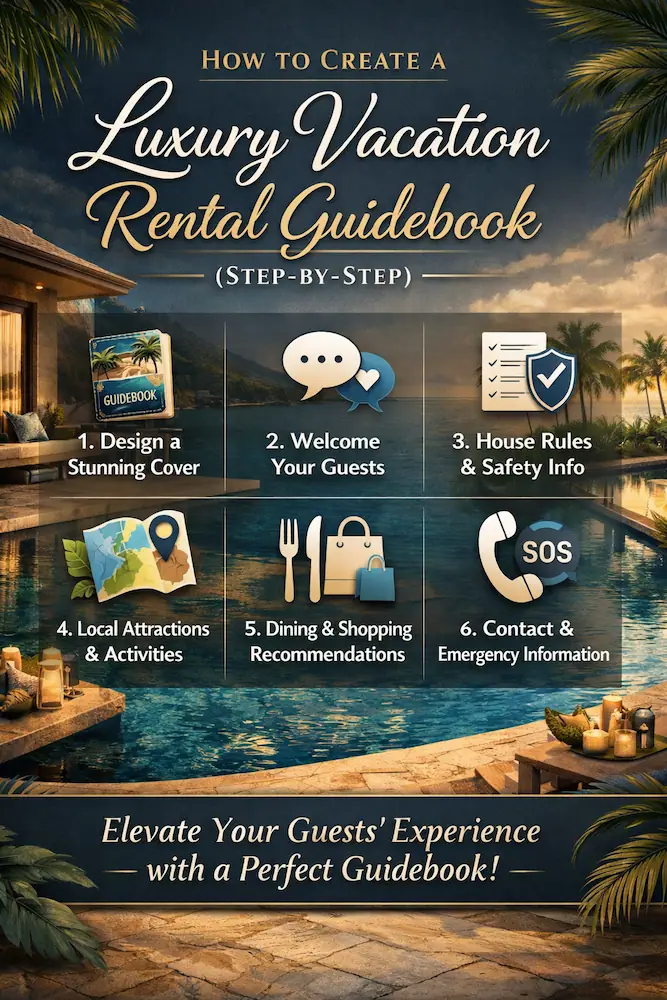
Creating a luxury vacation rental guidebook requires a strategic and structured approach.
Step 1: Define the Guest Persona
Understanding the target audience is essential.
Consider:
- Travel purpose (leisure, business, family)
- Spending behavior
- Experience expectations
Luxury travelers typically value:
- Privacy
- Convenience
- Personalization
A luxury vacation rental guidebook should reflect these priorities.
Also Read: Messagenal Insights: Complete Breakdown of This Mysterious Messaging System
Step 2: Structure the Guidebook
Organize content into logical sections:
- Welcome & overview
- Property instructions
- Amenities
- Local experiences
- Services
- Emergency information
Clear structure improves readability and usability.
Step 3: Add High-End Branding Elements
Presentation plays a critical role.
Best practices:
- Use premium typography
- Maintain consistent color schemes
- Include high-quality visuals
A visually refined luxury vacation rental guidebook reinforces brand identity and perceived value.
Step 4: Integrate Technology
Modern guidebooks are increasingly digital.
Common tools:
- Mobile-friendly PDFs
- QR codes for quick access
- Guest apps linked to property systems
Technology enhances accessibility and convenience.
Step 5: Optimize for User Experience
A luxury vacation rental guidebook must be intuitive.
Key principles:
- Simple navigation
- Clear headings and sections
- Concise instructions
Guests should find information within seconds, not minutes.
Essential Features That Define Luxury Guidebooks
Not all guidebooks meet high-end hospitality standards. The difference lies in experience-focused design, depth, and refinement. Premium versions go beyond basic instructions by anticipating guest needs, offering personalized recommendations, and presenting information with clarity.
They feature high-quality design, structured navigation, and concierge-level details, ensuring ease of use and a seamless stay. This combination elevates both guest satisfaction and overall property value.
Personalization
Personalization transforms a generic stay into a tailored, memorable experience by aligning services and communication with individual guest profiles and preferences.
Examples include:
- Guest name inclusion: Addressing guests personally in welcome messages and instructions creates a sense of recognition and exclusivity rather than a standard, impersonal setup.
- Customized recommendations: Suggesting dining, activities, and experiences based on guest interests (such as family-friendly spots, luxury dining, or adventure tours) enhances relevance and convenience.
- Occasion-based services: Special touches for birthdays, anniversaries, honeymoons, or celebrations—such as welcome gifts, decorations, or curated experiences—add emotional value to the stay and strengthen guest satisfaction.
Visual Design Quality
Design is one of the most immediate indicators of property quality because guests form impressions within seconds of viewing the material. In high-end hospitality, visual presentation is not just aesthetic—it directly communicates professionalism, attention to detail, and overall brand value.
Luxury standards include:
- Clean layouts: A well-structured layout avoids clutter and ensures information is easy to scan. Clear spacing, logical sections, and readable typography help guests quickly find what they need without confusion or effort.
- High-resolution images: Professional photography plays a critical role in setting expectations. Crisp, well-lit images of interiors, amenities, and surroundings help convey the actual experience and reinforce trust in the listing.
- Consistent branding: Uniform colors, fonts, tone, and visual identity across all materials create a cohesive experience. This consistency strengthens recognition and gives the property a more established, premium feel.
Poor design, on the other hand, can significantly weaken perceived value. Even if the information is accurate and useful, cluttered layouts, low-quality visuals, or inconsistent styling can make the property feel less reliable or lower-end. In luxury hospitality, presentation directly influences perceived pricing power and guest confidence, making design a core part of the overall experience rather than just decoration.
Concierge-Level Detail
A luxury vacation rental guidebook goes beyond basic instructions by functioning like a personal concierge, anticipating guest needs and enhancing convenience throughout the stay.
It includes insider tips for exclusive local experiences, booking shortcuts for quick access to restaurants and services, and priority services such as early check-in, private arrangements, and 24/7 support. This proactive approach ensures a smooth, high-end guest experience.
Seamless Navigation
Ease of use is essential because guests should be able to find information quickly without frustration. A well-structured system improves clarity and reduces support needs.
Best practices include:
- Clear table of contents: Helps guests instantly understand available sections and locate information easily.
- Section indexing: Organized headings and labels improve readability and fast access to key details.
- Digital search functionality: Enables instant lookup of instructions, services, or amenities in digital formats.
Together, these elements ensure a smooth, intuitive experience for guests.
Benefits of Using a Luxury Vacation Rental Guidebook
For Property Owners
- Reduces repetitive guest inquiries
- Enhances brand perception
- Increases positive reviews
For Guests
- Simplifies the stay
- Provides curated experiences
- Improves overall satisfaction
For Property Managers
- Streamlines operations
- Standardizes communication
- Improves efficiency
Pros and Cons
Advantages
- Improves guest experience
- Supports premium pricing strategy
- Reduces operational workload
Limitations
- Requires initial time investment
- Needs regular updates
- Design and branding may involve costs
Common Mistakes to Avoid
Even well-intentioned guidebooks can fail if not executed properly.
Overloading Information
Too much content can overwhelm guests.
Solution: Focus on relevance and clarity.
Lack of Updates
Outdated recommendations reduce credibility.
Solution: Review and update regularly.
Poor Design
Unstructured layouts reduce usability.
Solution: Maintain a clean and professional design.
Ignoring Guest Experience
A luxury vacation rental guidebook should prioritize usability over completeness.
Key Takeaways
- A luxury vacation rental guidebook is essential for delivering a premium guest experience
- It combines operational clarity with curated, high-end recommendations
- Proper structure, design, and personalization significantly impact guest satisfaction
- Digital integration enhances accessibility and convenience
- Regular updates and optimization are critical for maintaining quality
Digital vs Printed Guidebooks: Which Is Better?
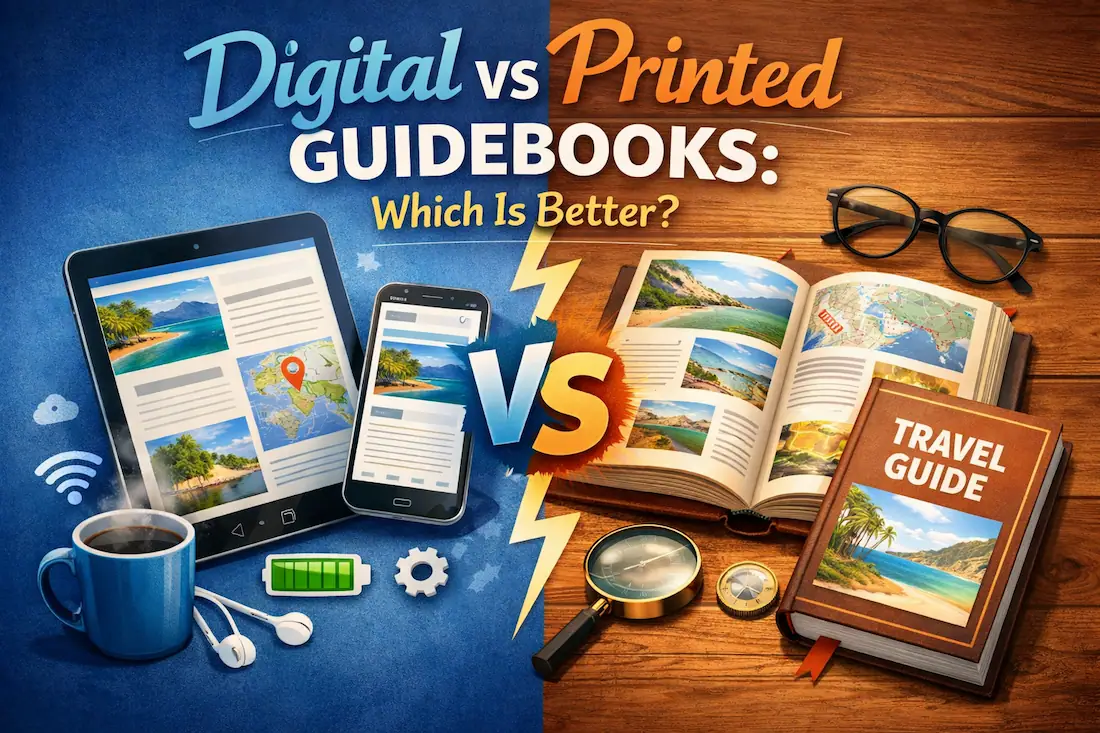
Choosing the right format is a critical decision when developing a luxury vacation rental guidebook. Both digital and printed formats offer distinct advantages, and the optimal solution often depends on guest expectations and property positioning.
Benefits of Digital Guidebooks
A digital luxury vacation rental guidebook provides flexibility and real-time accessibility.
Key advantages:
- Instant updates without reprinting
- Mobile accessibility for guests
- Integration with smart systems and apps
- Interactive elements such as links and booking buttons
Digital formats are widely supported by platforms like Airbnb and Booking.com, where guests expect seamless mobile experiences.
Benefits of Printed Guidebooks
Despite digital growth, printed versions still hold strong value in premium hospitality settings. A well-designed luxury vacation rental guidebook in printed form enhances both experience and perception.
Key advantages include:
- Tangible, premium feel: High-quality materials and design create a sense of exclusivity and luxury.
- Easy access without devices: Guests can quickly reference information without needing phones or internet access.
- Enhances in-property branding: It reinforces the property’s identity and strengthens the overall luxury atmosphere.
A printed luxury vacation rental guidebook acts as a physical extension of the brand, adding refinement and consistency to the guest experience.
Hybrid Approach Strategy
The most effective method combines both print and digital formats in a luxury vacation rental guidebook, ensuring flexibility and consistency in guest experience.
Best practice:
- Printed guide in the property: Provides immediate, elegant access to key information and enhances the premium in-room experience.
- Digital version via QR code or link: Offers mobile access to updated details, maps, and booking options anytime during the stay.
This hybrid approach ensures convenience, accessibility, and a consistently high-end guest experience.
Industry Standards and Best Practices
A luxury vacation rental guidebook must follow established hospitality standards to stay competitive and meet modern guest expectations. These standards are shaped by leading platforms like Airbnb, Vrbo, and Booking.com, where clear communication and seamless guest experience are essential.
Key best practices include providing accurate, well-structured information, maintaining consistent branding across all formats, and using guest-focused language that anticipates needs rather than simply listing instructions. This ensures clarity, reduces confusion, and enhances overall satisfaction throughout the stay.
Hospitality Benchmarks
Luxury properties follow structured benchmarks similar to hotel standards.
Core expectations:
- Clear and accessible information
- Personalized guest engagement
- Consistent service quality
Organizations such as World Tourism Organization emphasize structured guest communication as a key driver of satisfaction.
Guest Experience Metrics
erformance of a luxury vacation rental guidebook is measured through key hospitality metrics that reflect both guest satisfaction and operational efficiency.
These include guest satisfaction scores, online review ratings, reduced response times, and repeat booking rates. Together, they show how effectively the guidebook improves clarity, service quality, and overall guest experience.
Industry data indicates that strong information delivery can reduce guest inquiries by up to 30%, significantly improving efficiency for hosts and property managers.
Compliance and Safety Guidelines
Luxury properties must follow legal and operational standards, and a luxury vacation rental guidebook helps communicate these clearly to guests.
It should include:
- Local regulations: Rules on occupancy, noise, and property use
- Safety protocols: Emergency instructions, fire safety, and key contacts
- Privacy standards: Clear explanation of data use and access controls
Clear communication ensures compliance, improves safety, and builds guest trust while maintaining a premium experience.
Advanced Content Strategies for Maximum Impact

To elevate a luxury vacation rental guidebook, content must go beyond basic structure.
Experience-Driven Content
Luxury guests prioritize experiences over information.
Enhancements include:
- Curated itineraries
- Exclusive access recommendations
- Seasonal experiences
This transforms the luxury vacation rental guidebook into a lifestyle resource, not just a manual.
Localization and Cultural Relevance
Understanding the destination is essential.
Include:
- Cultural etiquette
- Local customs
- Language tips
This improves guest confidence and engagement.
Visual Storytelling
High-end presentation is essential.
Best practices:
- Professional photography
- Clean layouts
- Consistent branding
A visually strong luxury vacation rental guidebook enhances perceived value.
Also Discover: Cellulogia: Powerful Non-Invasive Therapy for Cellulite – Proven Results Guide
Operational Efficiency Through Guidebooks
A luxury vacation rental guidebook is not just a guest tool—it is an operational asset.
Reducing Communication Overload
Structured information reduces repetitive queries.
Examples:
- Wi-Fi instructions
- Appliance usage
- Check-out procedures
This allows property managers to focus on high-value guest interactions.
Standardizing Guest Experience
Consistency is critical in luxury hospitality.
A luxury vacation rental guidebook ensures:
- Uniform communication
- Predictable guest journeys
- Reduced service variability
Supporting Staff and Management
Guidebooks act as internal references.
Benefits:
- Training support for staff
- Clear operational guidelines
- Reduced onboarding time
Future Trends in Luxury Vacation Rental Guidebooks
The evolution of the luxury vacation rental guidebook is driven by technology and changing guest expectations.
AI-Powered Personalization
Modern systems are enabling dynamic content delivery.
Capabilities include:
- Personalized recommendations
- Behavior-based suggestions
- Automated updates
This aligns with trends seen across platforms like Vrbo.
Mobile-First Experiences
Guests increasingly rely on smartphones.
Trends:
- Mobile-optimized layouts
- App-based guidebooks
- Instant navigation
A mobile-friendly luxury vacation rental guidebook is no longer optional.
Smart Home Integration
Luxury properties are adopting automation.
Integration examples:
- Voice assistants
- Smart lighting systems
- Automated climate control
Guidebooks must provide clear instructions for seamless interaction.
Digital vs Printed Guidebook Comparison
| Criteria | Digital Guidebook | Printed Guidebook |
|---|---|---|
| Accessibility | High (mobile devices) | Medium |
| Update Flexibility | Instant | Limited |
| Cost Efficiency | High | Lower long-term value |
| User Experience | Interactive | Tangible luxury feel |
Must-Have Sections Checklist
| Section | Importance Level | Status |
|---|---|---|
| Welcome Message | High | Required |
| Property Instructions | High | Required |
| Amenities Guide | High | Required |
| Concierge Services | High | Required |
| Emergency Information | Critical | Required |
Frequently Asked Questions
What should be included in a luxury vacation rental guidebook?
A luxury vacation rental guidebook should include property details, house rules, amenities instructions, curated local recommendations, concierge services, and emergency information. It must be structured, easy to navigate, and aligned with premium guest expectations.
How does a luxury vacation rental guidebook improve guest experience?
It provides clear instructions, reduces confusion, and offers curated experiences. This leads to higher satisfaction, better reviews, and smoother stays.
Are digital guidebooks better than printed ones?
Digital versions offer flexibility and accessibility, while printed versions enhance the physical experience. A hybrid approach is considered the most effective.
Can a luxury vacation rental guidebook increase bookings?
Yes. Properties with well-structured guidebooks often receive better reviews and higher ratings, which directly influence booking decisions.
How often should a guidebook be updated?
A luxury vacation rental guidebook should be reviewed regularly—ideally every 3–6 months—to ensure accuracy and relevance.
What do luxury guests expect in rental properties?
They expect personalization, convenience, premium services, and seamless experiences—all of which should be reflected in the guidebook.
Conclusion
A luxury vacation rental guidebook is a critical asset in modern hospitality. It bridges the gap between operational efficiency and exceptional guest experience by combining structured information with curated, high-end recommendations.
When designed correctly, it enhances satisfaction, strengthens brand identity, and supports long-term success in competitive rental markets. As guest expectations continue to evolve, investing in a well-optimized luxury vacation rental guidebook is no longer optional—it is a strategic necessity.